
Buying a Single-Family Home in Plantation: How to Compare Your Options
How do you choose between two Plantation houses that each look right? You stop comparing photos and start comparing five things: condition, lot, rules, location, and the total cost of owning. A house that wins on four of the five can still lose the deal on the fifth, and the fifth is usually the one nobody put in the listing. Here is a framework for buyers in Plantation, a city in Broward County, so the comparison happens on paper instead of on impressions.
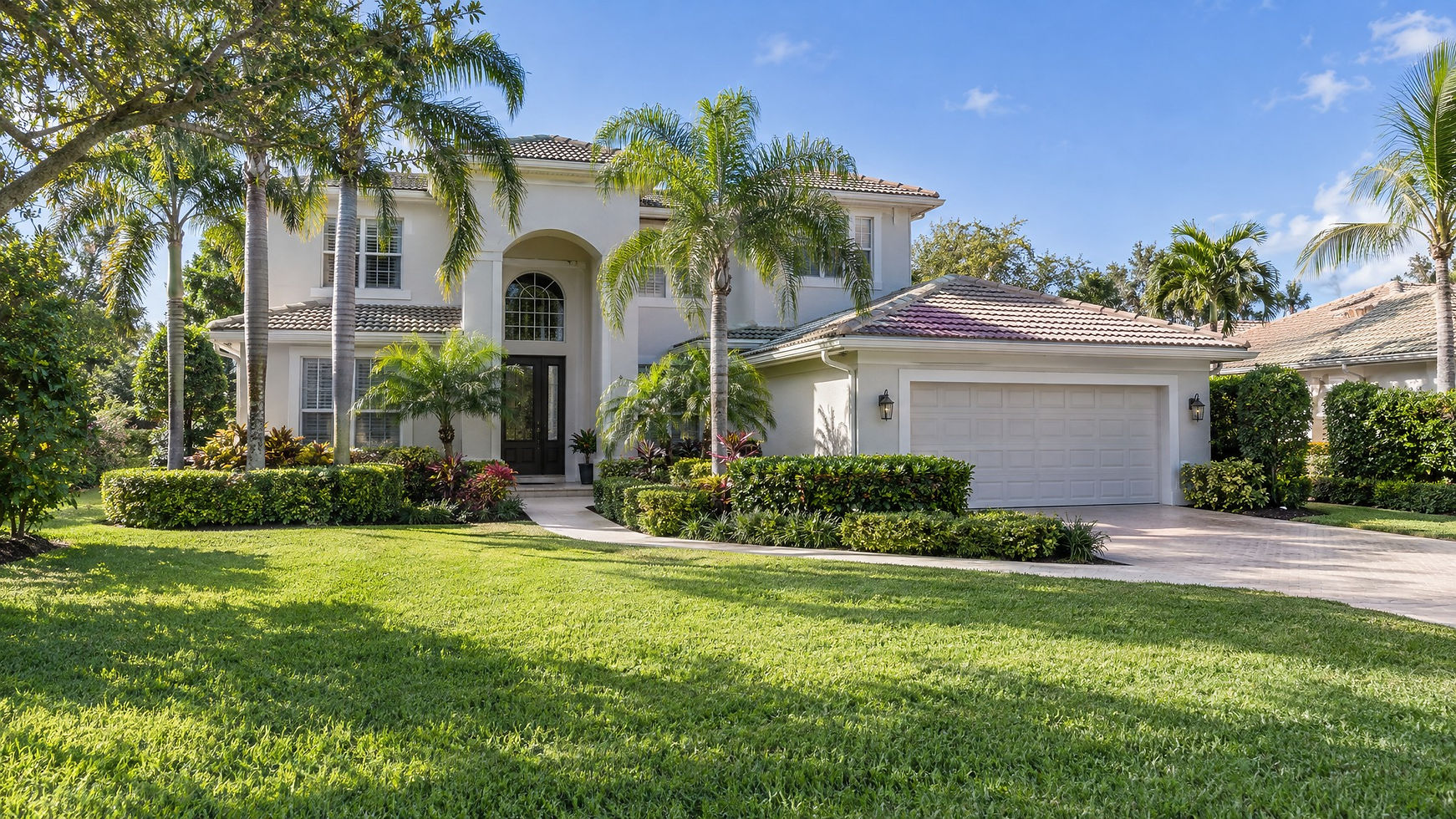
Illustrative image created for this article. It does not show a specific property.
Compare condition by age, not by polish
Fresh paint is cheap and a new roof is not, so compare houses by the age of their expensive systems: roof, air conditioning, water heater, electrical panel, and pool equipment if there is a pool. Ask for the ages in writing for each house you are serious about. Two houses can show equally well and sit $40,000 apart in near-term capital costs, and the difference lives entirely in those numbers. A general inspection confirms everything before closing, but the ages alone tell you which house deserves the inspection first. (Professional judgment.)
Compare lots by what you can use
Lot size shapes daily life more than floor plan does. A quarter-acre corner lot with a wide side yard parks a boat and hosts a birthday party. A same-size interior lot with a drainage swale and an easement along the back does neither. For each house, note the lot dimensions, the usable backyard, corner versus interior position, and any recorded easements that limit what can be built or changed. Two houses on similar lots can differ enormously once you read the plat. (Professional judgment; easement specifics confirmed per parcel.)
Compare rules before you compare houses
Many South Florida communities are governed by homeowners' associations, and in Florida the association must give a prospective buyer a disclosure summary, with a statutory cancellation right whose timing you should confirm with your closing professional. The rules differ community by community, so for each house you are comparing, read the actual governing documents: fees, architectural approval requirements, rental restrictions, and vehicle or boat rules. Two identical houses under two different rulebooks are two different purchases. (Verified: Florida Statutes s. 720.401, accessed October 23, 2026; community-specific rules must be read in the documents.)
Compare location honestly
Location in Plantation is not about labels, it is about the specific block. Walk each street at different times, drive the commute in real traffic, and notice what sits next to, behind, and across from the house. A corner on a cut-through street versus a quiet interior loop changes both daily life and resale. The same house on two different blocks is two different products at two different prices. (Professional judgment.)
Compare the total cost of owning, not the list price
The sticker prices are only the opening numbers. Build a side-by-side monthly budget for each finalist: mortgage at your quoted rate, property taxes from the Broward County Property Appraiser record, insurance quotes for the specific address, association dues if any, and realistic maintenance based on the system ages you collected. Freddie Mac's weekly national average for a 30-year fixed-rate mortgage was 7.32% as of October 22, 2026, but your own rate depends on your lender, credit, down payment, and loan type. For market context, Redfin reported a median sale price of $505,000 for all home types in Plantation over the three months ending September 2026, up about 1.1% from a year earlier, with a median of 66 days on market. That figure covers all home types, so ask for a current MLS search and a fresh market analysis rather than leaning on a citywide median. (Verified: Redfin Plantation housing market page and Freddie Mac PMMS, accessed October 23, 2026.)
Run the comparison on one page
The framework only works if it lives on one page instead of in your memory. Build a simple sheet with a column per house and a row per decision factor, then fill it in during and after each visit while the details are fresh. System ages. Lot dimensions and usable yard. Association dues and what they cover, plus any rental or vehicle rules from the documents. Block specifics like cut-through traffic or a corner position. The full monthly budget, built from real quotes rather than guesses. The asking price measured against recent closed sales for each specific house, not against the city.
Hypothetical example: two finalists, both listed in the mid $500,000s. On the sheet, one shows a 4-year-old roof and air conditioner, a $220 monthly association fee covering lawn care, and a quiet interior lot. The other shows original 2005 systems, a $120 fee covering nothing, and a corner on a cut-through street. The list prices are close. The five-year cost of owning is not, and the sheet shows it in a way two showings never will.
Separate deal-breakers from preferences
Before the next showing, divide your comparison sheet into two sections. The first is your must-haves: a manageable monthly payment, enough bedrooms, a location that works for your routine, or a specific move-in date. The second is your preferences: a larger patio, a particular finish, or a quieter street. Keep the first list short enough to make decisions, then score each house against it before the emotional details take over. If a home misses a true deal-breaker, a beautiful kitchen does not repair the mismatch. If it misses only a preference, price the trade-off honestly.
Frequently asked questions
How do I compare two houses fairly?
Line up system ages, lot usability, association rules, block specifics, and a full monthly budget for each, then let the totals argue.
Which matters more, the house or the lot?
Both, but differently. The house can be renovated; the lot and its easements are fixed. Weight what you cannot change.
How do I compare association fees?
Compare what the fee covers, not just the amount. A higher fee that includes more may be the cheaper total cost of owning.
What market data should I look at?
Recent closed sales of homes like the ones you are comparing. Citywide medians include all home types and shift constantly, so ask for a current market analysis.
Ready to compare Plantation houses on the numbers that actually matter? Call Dean Isenberg at 305-929-3326 for side-by-side market analyses and a current MLS search.
Planning to buy, sell, or invest in South Florida? Contact Dean Isenberg at 305-929-3326 or visit ONE-Dean.com.
Dean is the ONE for all your real estate needs.


