
South Florida Repair Reinspection Before Closing Buyers Guide
Updated: 2 hours ago
"Seller repairs can look “done” on paper, but closing day has a way of turning small loose ends into big stress. A replaced GFCI outlet, a patched roof area, an HVAC service, a corrected plumbing leak, or a new-construction punch-list item may deserve one more look before keys change hands.
That’s where a South Florida repair reinspection can help. It gives buyers, sellers, investors, and new-construction purchasers a clearer picture of what was completed, what was documented, and what still needs attention before closing.
This guide walks through what to review, who should inspect what, how a reinspection differs from a final walkthrough, and why the signed contract matters.

Why a Repair Reinspection is Worth Scheduling
A home inspection report can be long, especially in South Florida. Moisture concerns, roof age, electrical panels, AC performance, windows, plumbing leaks, balcony surfaces, pool equipment, seawall conditions, and permit questions can all show up in one transaction.
After inspection negotiations, the buyer and seller may agree that the seller will repair certain items before closing. Once the seller says the work is complete, the buyer has a practical question:
How do we confirm what was actually done?
A repair reinspection is one way to answer that question. It’s usually focused on the specific items that appeared in the original inspection report or repair agreement. It isn’t the same as starting the entire inspection over, unless everyone agrees to that scope.
A reinspection can help identify:
Whether an agreed item appears to have been addressed
Whether visible conditions changed since the first inspection
Whether documentation matches the repair agreement
Whether more information is needed from the seller, contractor, condo association, builder, or municipality
Whether a specialized professional should evaluate a system before closing
In South Florida, that extra review can matter because buildings deal with heat, humidity, storms, salt air, flat roofs, older electrical systems, aging plumbing, drainage issues, and strict condo or municipal rules.
That applies across property types, including:
Single-family homes in Davie, Weston, Plantation, Hollywood, and Fort Lauderdale
Condominiums in Aventura, Sunny Isles Beach, Miami Beach, Bay Harbor Islands, Bal Harbour, Surfside, and Hallandale Beach
Luxury residences in waterfront and gated communities
Investment properties in Miami, Hollywood Beach, Fort Lauderdale, and occasional Palm Beach County communities
New-construction homes or condos with repair lists, builder punch lists, and warranty items
A repair reinspection doesn’t remove every risk. It can’t see behind every wall, predict future failures, or confirm workmanship beyond the inspector’s scope. Still, it can be a smart part of buyer due diligence and closing preparation.
Start with the Original Inspection Report and Repair Agreement
The best reinspection starts before anyone returns to the property. Pull together the documents and compare them carefully.
The original inspection report is the baseline. It should show what the inspector observed, where the concern was located, and what recommendation was made. Photos are especially useful because they help everyone identify the exact item.
The repair agreement is just as important. This might be part of an inspection contingency resolution, an addendum, a seller credit agreement, a repair list, or another written agreement between the parties.
Read the wording closely. It may say the seller agreed to:
Repair a specific item
Have an item evaluated
Use a licensed contractor
Provide paid receipts
Provide transferable warranties
Obtain required permits
Give a credit instead of making repairs
Complete work before a certain date
Allow a reinspection before closing
The exact language matters. Contractual rights depend on the signed agreement, not on assumptions about what should happen.
For example, “repair roof leak above garage by licensed roofing contractor and provide receipt” is different from “seller to address roof concern.” One gives more direction. The other leaves more room for interpretation.
That’s why inspection issues should be negotiated with care. A clear repair agreement can reduce confusion when everyone is trying to close on time.
Documents to Request Before the Reinspection
A strong documentation package can make the repair follow-up much easier. Buyers and their Realtor can ask for available records such as:
The signed repair agreement or inspection addendum
The original home inspection report
Seller invoices and paid receipts
Contractor business information
License information when relevant
Before-and-after photographs
Manufacturer paperwork
Warranty documents
Permit numbers, permit cards, or inspection sign-offs when required
HOA or condo association approvals, if applicable
Builder punch-list updates for new construction
Maintenance records for HVAC, pool, roof, elevator, generator, or dock systems
Receipts are useful because they show that work was ordered or paid for. They don’t, by themselves, confirm that the repair was appropriate for the condition. That’s why documentation and physical review work better together.
What Repair Paperwork Can and Can’t Tell You
Paperwork can answer several helpful questions.
Who performed the work?
A licensed electrician, plumber, roofer, HVAC company, pool contractor, general contractor, handyman, builder, or seller?
What was the stated scope?
Was it a repair, an evaluation, a tune-up, a replacement, or a temporary correction?
When was it done?
Was the work completed after the inspection and before the agreed deadline?
Were permits involved?
If the repair required a permit, was one opened and properly closed?
Is anything transferable?
Some warranties may transfer to a buyer. Others may not. Some may require registration or written assignment.
What remains unclear?
An invoice that says “repair leak” may not explain the source of the leak, the materials used, or whether related damage was corrected.
A good Realtor can help organize this paper trail so the buyer, seller, inspectors, closing agent, and attorney, if involved, can review it before the closing rush.

A Final Walkthrough is Not the Same as a Professional Reinspection
The final walkthrough usually happens shortly before closing. It gives the buyer a chance to see whether the property is in the expected condition, whether the seller removed personal items, whether included appliances are still present, and whether agreed repairs appear complete.
A walkthrough is practical. It is not a technical inspection.
During a final walkthrough, a buyer might notice that a ceiling stain was painted, an outlet cover was replaced, or the AC is blowing cold air. But that doesn’t mean the source of the stain was corrected, the outlet was properly wired, or the HVAC system was professionally serviced.
A professional reinspection has a different purpose. The inspector or qualified specialist checks the agreed items within their scope and may provide written comments or photos. This creates a clearer record than a casual walkthrough.
Here’s a simple way to think about it:
| Final Walkthrough | Professional Reinspection |
|-------------------|--------------------------|
| Usually done by the buyer and Realtor shortly before closing | Usually done by the original inspector or qualified specialist |
| Focuses on general property condition and agreed visible items | Focuses on specific repair items and observable results |
| Helps confirm the home wasn’t materially changed before closing | Helps evaluate whether reported concerns appear addressed |
| Often informal, unless the contract says otherwise | Often documented with notes, photos, or a reinspection report |
| Not a substitute for technical review | Useful when repairs involve systems, safety, moisture, or permits |
Both can be useful. They just do different jobs.
A buyer final repair review may include walking the property, testing basic items, comparing the repair list, checking that receipts were received, and asking whether any repair still looks incomplete. A home inspection reinspection goes further where the inspector’s scope allows.
Why the Original Home Inspector May Be the Best First Call
When possible, the original home inspector is often the cleanest choice for an inspection follow-up. They already saw the property before repairs. They know the report, the photos, and the original concerns.
That can make the reinspection more focused.
For example, if the original report showed:
Moisture staining under a bathroom sink
Missing anti-tip bracket at a range
A non-functioning GFCI outlet near a kitchen counter
Damaged roof tiles over a specific area
A loose handrail on a stairway
Deteriorated exterior wood near a balcony
An AC system that was not cooling properly at the time of inspection
The original inspector may be able to return and look at those same items. They can compare the condition they saw before with the condition now visible at the property.
Even then, scope matters. A general home inspector may not be the right person to approve specialized repairs. They can often say whether an item appears changed or whether visible issues remain. They may also recommend further review by the proper trade.
Repairs That May Need a Specialized Professional
Some repairs deserve more than a general visual follow-up. South Florida properties often include systems where trade knowledge, licensing, equipment, or code familiarity matters.
Specialized review may be appropriate for:
Roofing
Flat roofs, tile roofs, metal roofs, roof penetrations, storm damage, active leaks, and repairs tied to insurance or permits may need a licensed roofing contractor.
Electrical
Panel work, aluminum wiring, GFCI and AFCI concerns, grounding, unsafe wiring, and generator connections may need a licensed electrician.
Plumbing
Active leaks, cast iron drain lines, water heaters, main shutoff valves, sewer scopes, polybutylene, and major fixture replacements may need a licensed plumber.
HVAC
Cooling performance, refrigerant issues, ductwork, condensate lines, microbial growth concerns, and age-related performance concerns may need an HVAC contractor.
Structural Components
Foundation movement, settlement, balcony problems, framing concerns, concrete restoration, and load-bearing issues may call for a structural engineer or properly qualified contractor.
Pools and Spas
Pump equipment, heaters, leaks, lighting, automation, bonding, and safety barriers may need a pool professional.
Waterfront Features
Docks, boat lifts, seawalls, pilings, drainage, and erosion concerns may need specialized marine or structural review.
Condo Systems
Balconies, common elements, exterior doors, windows, risers, roofs, elevators, fire systems, and building-wide components may involve the association, management company, or building engineer.
New Construction
Builder punch-list work may need a new construction inspector, trade contractor, builder representative, or municipal inspector, depending on the item.
A licensed contractor repair verification can be especially valuable when the repair involved safety, hidden components, permits, or high replacement costs.

Permits, Condos, HOAs, and South Florida Repair Details Need Attention
Permit questions come up often in South Florida transactions. Some minor repairs may not require permits. Other work may require a permit, inspection, and final approval from the local building department.
Permit verification repairs can be especially important when the seller completed work involving:
Roof replacement or larger roof repairs
Electrical panel changes or major wiring work
Water heater replacement
HVAC replacement
Structural repairs
Window and door replacement
Plumbing modifications
Pool equipment or pool electrical work
Seawall, dock, or boat lift work
Additions, enclosures, or conversions
Local rules can vary, so the right move is to check with the municipality, contractor, permit records, condo association, or attorney when questions come up. A Realtor can help coordinate the request, but legal and permitting questions may need the right professional.
Condo Repairs Can Involve More Than the Unit
An Aventura condo repair check may seem simple if the issue is inside the unit. But condos often include shared or limited common elements. A window leak, balcony crack, AC line issue, plumbing stack concern, or exterior door problem may involve the association.
The buyer may need to know:
Is this item the seller’s responsibility or the association’s responsibility?
Did the association approve the repair?
Was the repair completed by an approved vendor?
Are there open building permits or special assessments tied to the issue?
Does the warranty transfer to the buyer?
Will future work affect access to the unit?
This matters in Miami Beach, Surfside, Sunny Isles Beach, Bal Harbour, Bay Harbor Islands, Hallandale Beach, Hollywood Beach, and Fort Lauderdale condo buildings, especially older coastal properties.
Waterfront and Luxury Homes Need a Wider Lens
For luxury and waterfront residences, repair items may involve expensive systems that aren’t always covered in a basic home inspection.
Think about:
Dock and boat lift operation
Seawall condition
Drainage near the home
Impact windows and doors
Generator operation
Elevator systems
Smart home controls
Pool heaters and automation
Summer kitchens
Flat roof sections
Outdoor electrical systems
Moisture around balconies, terraces, and lanais
A post-inspection repair check for these properties should match the complexity of the home. One receipt from one contractor may not answer every question if multiple systems were involved.
Investors Should Treat Repair Follow-Up Like Risk Control
Investment buyers often think in terms of rent readiness, insurance, maintenance costs, and exit value. A small repair dispute can turn into lost rent if the issue delays occupancy or creates a tenant complaint right after closing.
For investors in Miami, Hollywood, Davie, Plantation, Fort Lauderdale, Weston, and Palm Beach County communities, repair follow-up may focus on:
AC cooling performance
Water intrusion
Electrical safety
Plumbing leaks
Roof condition
Appliance function
Code or permit concerns
Insurance-related items
Condo or HOA compliance
Documentation for property management files
A pre-closing repair inspection can help investors separate cosmetic progress from functional completion.
New Construction Punch-List Repairs Deserve One More Review Too
New construction doesn’t mean perfect. It means new. Builders, trades, inspectors, and municipal departments all play roles, but buyers should still track incomplete or corrected items before closing.
New construction repair verification may involve:
Blue tape walkthrough items
Builder punch-list reports
Municipal inspection approvals
Appliance installation issues
Cabinet, flooring, tile, or countertop corrections
Window and door adjustments
Grading and drainage concerns
Paint, drywall, stucco, or exterior finish items
HVAC balancing or thermostat issues
Pool, fence, irrigation, and landscaping corrections
Warranty claim procedures
In new homes or condos, the buyer may deal with a builder representative instead of a traditional seller. The paper trail still matters. So does timing.
If a builder says an item will be completed after closing, the agreement should be clear. Buyers should understand what is covered by warranty, what must be finished before closing, and who confirms completion.
This is where an experienced South Florida buyer Realtor can be especially helpful. New construction contracts and builder procedures don’t always work like standard resale contracts.
What a Good Repair Reinspection Process Looks Like
The process doesn’t need to be complicated. It does need to be organized.
Step 1: Confirm the Exact Repair List
Start with the signed agreement. Don’t rely on memory, texts, or verbal comments. Identify each item the seller agreed to repair, evaluate, replace, credit, or document.
If the wording is unclear, flag it early.
Step 2: Ask for Repair Documents Before the Appointment
Request available invoices, receipts, licenses, permit information, warranties, and photos before the reinspection. That gives the inspector or specialist time to understand what was supposedly done.
Step 3: Match Each Document to an Inspection Item
Create a simple checklist. For each inspection concern, note the repair agreement language, the seller’s documentation, and who completed the work.
This is especially useful when there are many seller repairs or multiple contractors.
Step 4: Schedule the Right Person
Use the original home inspector when the concern is within their scope. Use the right trade professional when the repair involves systems such as roofing, plumbing, electrical, HVAC, structural components, pools, docks, or elevators.
Step 5: Leave Enough Time Before Closing
Don’t wait until the last few hours. If something still needs attention, the parties need time to discuss next steps, review the contract, involve an attorney if needed, or coordinate additional documentation.
Step 6: Review the Findings Calmly
A reinspection may show that work appears complete. It may show that an item wasn’t accessible. It may show that documentation is incomplete. It may show that the repair needs specialist review.
The goal is clarity before closing, not drama at the closing table.
Step 7: Keep the Contract in Focus
Real estate repair rights come from the contract and related signed documents. If there’s a dispute about deadlines, access, credits, repairs, or remedies, buyers and sellers should speak with their licensed real estate professional and, when needed, a real estate attorney.
This article is informational only and isn’t legal, inspection, construction, or financial advice.
How an Experienced Realtor Helps with Repair Verification
Inspection repairs touch almost every part of the transaction. A Realtor’s job isn’t to act as the inspector, contractor, attorney, or permit clerk. The value comes from tracking the moving pieces and helping the parties stay organized.
A skilled Realtor can help with:
Negotiating inspection contingency repairs clearly
Asking sellers for useful documentation
Coordinating access for inspectors and contractors
Keeping repair deadlines visible
Helping sellers package invoices, receipts, permits, and warranties
Flagging when a licensed contractor may be needed
Helping investors focus on rent-ready and insurance-related items
Assisting buyers with builder punch lists
Communicating with condo associations or management companies
Keeping closing preparation on track
For sellers, good documentation can reduce last-minute doubts. A clear repair receipt property sale file may include paid invoices, contractor contact details, permit records, and warranty information. That file helps show what was done without turning closing week into a scramble.
For buyers, repair verification can bring peace of mind, or at least a better understanding of what remains open. It also helps avoid confusing the final walkthrough with a more technical review.
For more information about South Florida real estate, call Dean at 305-929-3326, email Dean@OneDean.Com, or visit Dean’s South Florida real estate website.
FAQ
Should Buyers Schedule a Reinspection After Seller Repairs?
Often, yes. If the repairs were part of the signed inspection agreement, a reinspection can help confirm what appears to have been completed and whether more documentation or specialist review is needed.
Can the Original Home Inspector Return for a Repair Reinspection?
In many cases, yes. The original inspector already knows the inspection report and the specific concerns. That said, roof, electrical, plumbing, HVAC, structural, pool, or waterfront repairs may require a properly qualified specialist.
Is a Final Walkthrough Enough to Verify Repairs?
A final walkthrough is helpful, but it’s usually not a technical repair review. It lets the buyer observe the property before closing. A professional reinspection is more focused on the agreed repair items.
Do Repair Receipts Prove the Work Was Done Correctly?
Receipts can show who performed work, when it may have been done, and what the invoice says. They don’t replace professional evaluation, permit records, warranties, or visual confirmation when those are needed.
What If Repairs Are Incomplete Before Closing?
The next step depends on the signed contract and any repair agreement. The parties may need to discuss completion, credits, extensions, escrow options if allowed, or legal advice. A Realtor and real estate attorney can help review available options.
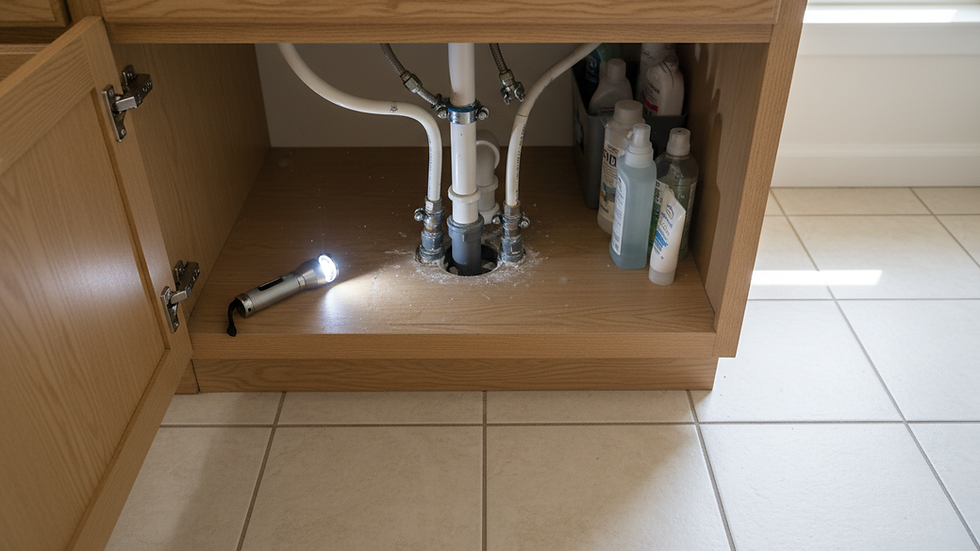
The Best Repair Follow-Up is Clear, Calm, and Documented
Seller repair verification works best when everyone knows the plan before closing week. Start with the inspection report. Compare it to the signed repair agreement. Ask for invoices, receipts, contractor information, warranties, photos, permits when required, and association or builder documentation when relevant.
Then decide who should review the work. Sometimes the original home inspector is the right choice. Sometimes a licensed roofer, electrician, plumber, HVAC contractor, engineer, pool professional, or other specialist makes more sense.
A repair reinspection won’t remove every unknown in a real estate purchase. It can, though, make the closing conversation clearer. In South Florida, where homes, condos, waterfront properties, luxury residences, investments, and new construction can all carry different repair issues, that clarity is worth having before the keys are handed over."


