
Selling a Single-Family Home in Bay Harbor Islands: What Makes Your Property Distinctive?
If you own a house in Bay Harbor Islands, what makes your property worth a buyer's attention? The town has distinct housing areas. Dean's Bay Harbor Islands page describes the western island as exclusively single-family homes and describes homes on much of both islands, with condominium areas in part of the eastern island. That broad community description is not a count of today's competing listings. Your job as a seller is to make your property's specific advantages visible and verifiable, then position it against current MLS competition.
This guide covers how to identify what makes your property distinctive, how to document it, how to price it credibly, and how to present it in a market this small.
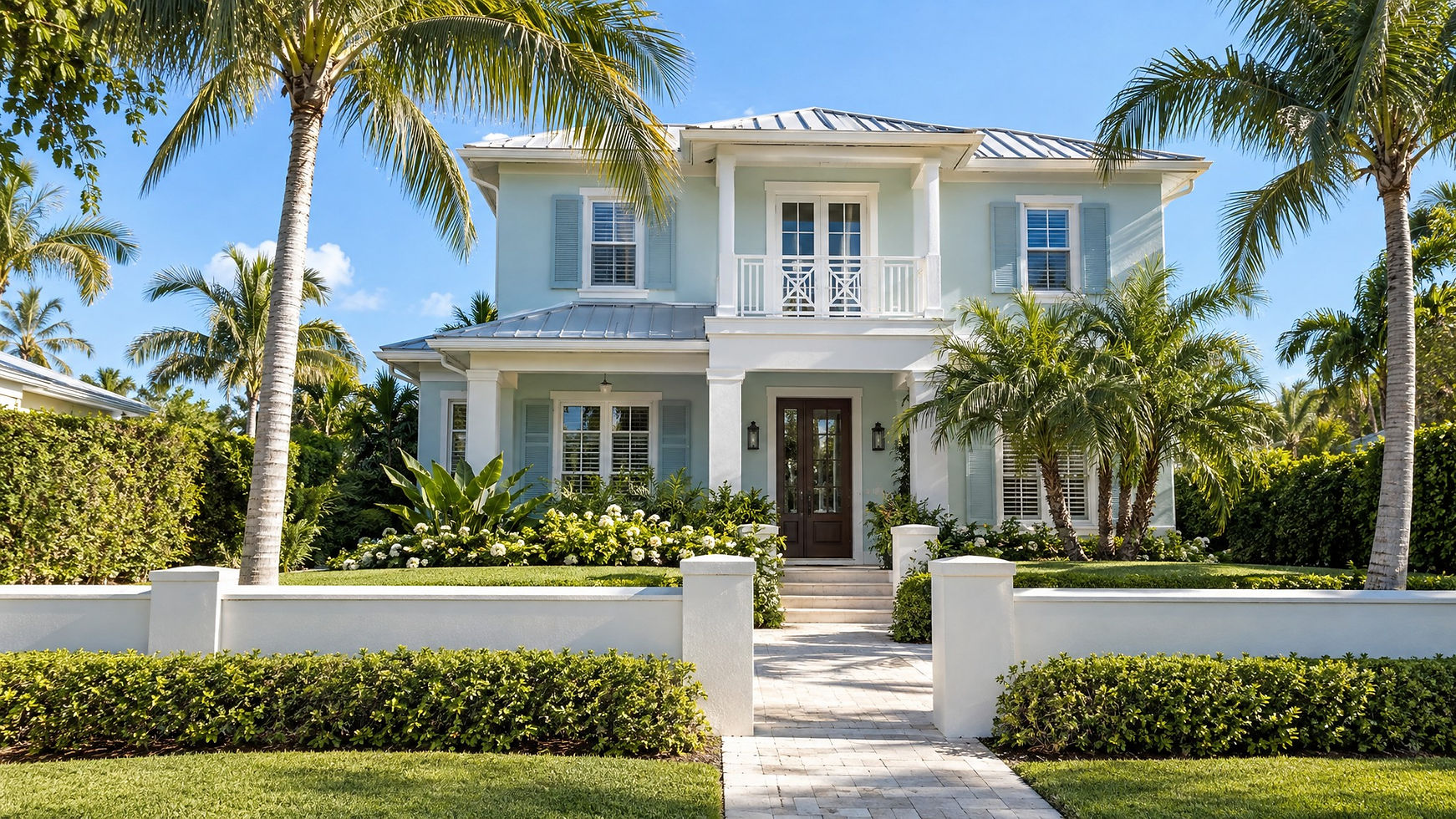
Illustrative image created for this article. It does not show a specific property.
What the market looks like from the seller's side
Bay Harbor Islands is a town in Miami-Dade County with its own municipal government and building department, where construction permits run through the town's application page and the Citizenserve portal. The market context a seller should understand: Redfin's city page shows a median sale price of $680K across all home types for the three months ending September 2026, up 11.4% year over year, with a median of 153 days on market and 41 homes sold in September. Three cautions: the median is dominated by condominiums, so it is not a measure of house value; 153 days suggests that poorly prepared or overpriced listings sit a long time; and 41 sales in a month is a modest sample that includes mostly condo units.
Dean's Bay Harbor Islands page describes the western island as exclusively single-family homes and describes homes on much of both islands, with condominium areas on part of the eastern island. This is a general community description, not a current inventory count. Ask for a live MLS search to identify your actual competition by property type and location. A buyer may compare homes on the west island, homes elsewhere on the islands, and condominium options, so prepare your pricing and presentation for the specific buyer pool.
Start with your property's real distinctions
Every listing claims "unique." The seller who wins proves it. Walk your property with your agent and write down what is actually distinctive, then verify each item before it goes in the listing. The distinctions that matter most in Bay Harbor Islands usually include:
Lot characteristics: lot size relative to the town's typical lots, usable yard space, and any side or corner position that adds light or access.
Layout: bedroom count and flow relative to what buyers expect here, and whether the layout suits both families and downsizers.
Condition and improvements: a documented roof, updated electrical or plumbing, impact glass, a newer air conditioning system. Each of these reduces a buyer's perceived risk and supports your price.
Waterfront features: if any part of the property is waterfront, the specific frontage, dock rights if any, seawall condition, and the address's flood zone are the first questions serious buyers ask. Have the answers ready, with documents.
For any claim about condition, the supporting document is what converts an assertion into a selling point: receipts, permits, warranty transfers, inspection reports. For any claim about the lot or water frontage, the county property record is the authority. Buyers and their agents will check both.
Document improvements and permits before you list
This is the step most sellers skip, and in a small market it is the one that most often costs money. Request your property's permit history from the town early. The town processes construction permits through the Citizenserve portal, and its application page covers construction-related permits; a public search of past permits through the portal was not verified, so request your own property's history from the town's building department directly. If you finished work without a permit, or a past owner did, know that now, not at the buyer's inspection. Unpermitted additions surface during due diligence and reprice the deal on the buyer's terms.
If any improvement was substantial, gather the paperwork: the permit, the final inspection sign-off, the contractor's invoice, and any transferable warranties. A documented improvement is worth more than the same improvement undocumented, because the buyer's lender, insurer, and future buyer will all ask.
Pricing credibly in a thin market
With few house sales, your pricing evidence is the recent closed sales of the most similar houses, weighted toward the newest, plus the current competition. Two errors repeat in markets like this. The first is pricing from the town median, which as noted is dominated by condominiums and says nothing about your house. The second is pricing from the most ambitious asking price among the competing listings, which is not evidence of value, only evidence of someone's hopes.
Ask your agent for a pricing analysis that names each comparable, its closing date, and the adjustments made for lot, condition, and waterfront differences. The town-wide 153-day median covers all home types, so do not use it as a house-specific time estimate. The credible strategy is to document the property and compare it with current single-family listings and relevant closed sales.
Presentation that matches the buyer
Buyers looking for a house in Bay Harbor Islands are usually choosing it over a condominium for space, privacy, a yard, or a specific waterfront lifestyle. Present accordingly: professional photography that shows the lot and light, staging that shows how the layout lives, and a listing description that leads with the two or three distinctions you documented. If the house is dated, decide consciously between a light refresh and selling as-is at a price that reflects it; a half-finished renovation reads as neglect and costs more than it earns. Be honest with yourself about which path your budget and timeline actually support.
Frequently asked questions
How many houses compete with mine in Bay Harbor Islands?
There is no verified live count, and it changes weekly. Your agent can run a current MLS search of active single-family listings in the town, which is the only honest answer to this question at any moment.
Should I get a pre-listing inspection?
For most sellers in this market, yes. It surfaces issues while you control the narrative, lets you fix or disclose on your terms, and the report becomes a selling document in a market where buyers have time to be careful. Discuss the trade-offs with your agent.
Is my house worth more because houses are rare here?
Rarity helps only when the property is presented and priced credibly. A rare but poorly documented house still sits. The combination that sells is rarity plus proof: records, permits, and a defensible price.
What if my buyer asks about flood insurance?
Have the address's flood zone from the FEMA Flood Map Service Center ready, plus an elevation certificate if one exists, and be ready to explain what coverage the buyer will need. Waterfront and coastal buyers expect this question and respect sellers who answer it directly.
Before you list, the highest-value hour you can spend is a walkthrough that sets your price and presentation strategy against what is actually selling. You can also fill out the listing questionnaire on ONE-Dean.com for a property-specific conversation.
Planning to buy, sell, or invest in South Florida? Contact Dean Isenberg at 305-929-3326 or visit ONE-Dean.com.
Dean is the ONE for all your real estate needs.


