
How to Evaluate South Florida Waterfront Homes Before Buying
Updated: Aug 15
A waterfront address can look perfect at sunset and still hide six figures of future repairs below the waterline. In South Florida, the view is only one part of the value. The seawall, dock, depth, bridge clearance, flood exposure, insurance profile, and permit history can matter just as much as the kitchen, roof, or floor plan.
That is especially true in Aventura, Fort Lauderdale, Hallandale Beach, Hollywood, Hollywood Beach, Miami Beach, Bay Harbor Islands, Bal Harbour, Sunny Isles Beach, Miami, and select Palm Beach County communities. Two homes may sit a few blocks apart, yet offer very different boating access, maintenance costs, storm exposure, and resale demand.
This guide walks through the main items to review before making an offer on South Florida waterfront homes, including what to inspect, what to ask, and where an experienced Realtor can help protect your position.
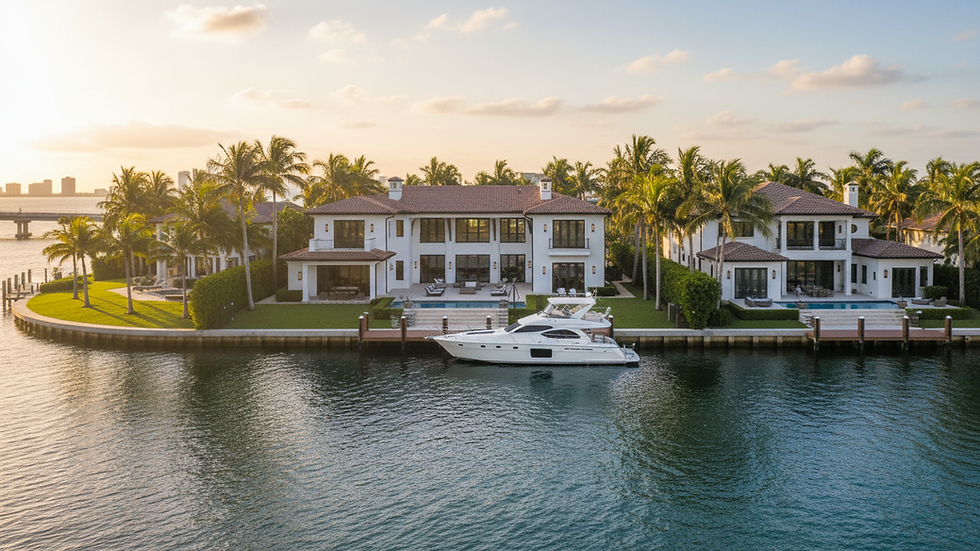
Start with the water, not the house
Many buyers begin with the home itself. That is natural, but for waterfront property, the water often drives the true value.
Before focusing on finishes, ask a few practical questions:
Can the property handle the type of boat planned now or in the future?
Is the route to open water direct, fixed-bridge, or no fixed-bridge?
What is the controlling depth at low tide?
Are the dock and seawall properly permitted?
Does the waterfront face an active canal, wide bay, Intracoastal Waterway, lake, or oceanfront setting?
How exposed is the property to storm surge, wave action, and wind-driven water?
A deepwater home in Fort Lauderdale with no fixed bridges to the ocean is not the same product as a canal home with multiple bridges. A condo in Aventura with marina access is different from a single-family dock home in Hallandale Beach. Miami Beach waterfront homes may offer strong prestige and views, yet each island, bayfront lot, and canal location must be studied on its own.
For boating homes Florida buyers often compare online, small waterfront details can create major value differences.
Review the seawall before you fall in love
A seawall is one of the most important structures on a waterfront property. It protects the land, supports the edge of the lot, and can affect the safety of docks, pools, patios, landscaping, and even the home itself.
A proper Florida seawall inspection should look at more than surface appearance. A specialist may review:
Cracks, bowing, leaning, or separation
Rust stains from failing tiebacks or reinforcing steel
Soil loss behind the wall
Sinkholes or depressions near the cap
Erosion around the base
Drainage behind the wall
Age, material, and repair history
Evidence of patchwork or temporary fixes
Concrete seawalls, vinyl sheet pile, steel components, wood systems, and cap repairs all age differently. A wall may look acceptable at high tide and reveal concerns at low tide. In some areas, inspectors may recommend checking from the water side, especially if the wall is older or the lot has had washout issues.
A seawall problem is not just a repair item. It can affect financing, insurance, closing timelines, dock use, and long-term resale.
If defects appear, buyers should understand whether repairs are minor, moderate, or a full replacement issue. They should also confirm who is responsible for the seawall. In some condo and townhome communities, the association may maintain parts of the waterfront. In single-family homes, the owner usually carries that burden.
Confirm dock permits and boating usability
A dock is not automatically legal just because it exists. Before making an offer, buyers should review whether the dock, lift, pilings, floating platform, electrical service, and any additions were properly approved.
A dock permit South Florida review may include city, county, state, or other agency records, depending on the property and waterway. The goal is to confirm that the structure matches what was approved and that future changes are realistic.
Questions to ask include:
Was the dock built with permits?
Is the boat lift permitted?
Are electrical and water connections safe and approved?
Does the dock extend beyond allowed limits?
Are there submerged land, mangrove, or environmental restrictions?
Can the dock be expanded or modified?
Are there association rules that limit boat size or dock use?
For Hallandale Beach dock homes, Hollywood waterfront real estate, Fort Lauderdale waterfront property, and Miami Beach waterfront property, permitting can vary by location. A home may have a dock, but the legal ability to keep a specific boat there still needs review.
Boat fit is also more than total dock length. Beam, draft, turning radius, tide swing, lift capacity, and canal width all matter. A 40-foot boat may technically fit, but docking could be difficult if the canal is narrow or current is strong.

Check water depth, bridge clearance, and ocean access
For serious boaters, access is often the deciding factor. Some properties offer quick, open access to the Atlantic Ocean or Intracoastal Waterway. Others require slow canal travel, bridges, locks, narrow turns, or tide planning.
Key boating details include:
Water depth
Ask about depth at the dock and along the route, especially at low tide. A depth reading at high tide may not tell the full story.
Bridge clearance
Fixed bridges can limit boat height. Even if a boat fits today, future resale may be affected if many buyers with larger boats cannot use the property.
No fixed-bridge access
No fixed bridges to the ocean often creates a premium, especially in Fort Lauderdale, Miami, and Miami Beach boating markets.
Travel time
A property may advertise “ocean access,” yet still require a long idle-speed trip to reach open water. Time matters for buyers who boat often.
Waterway traffic
Homes along busy waterways may offer energy and wide views, but they may also have wake, noise, and less privacy.
The phrase ocean access homes sounds simple, but the quality of that access varies. Direct ocean access, Intracoastal access, lake access, bay access, and canal access are not interchangeable.
Study flood zones, elevation, drainage, and insurance
Waterfront owners in South Florida need to think carefully about flood risk and insurance costs. This is where buyers should avoid relying only on listing remarks.
A strong review may include:
FEMA flood zone information
Property elevation and finished floor elevation
Storm surge exposure
Street drainage history
Yard and patio grading
Garage and lower-level water intrusion risk
Prior flood claims, if disclosed
Windstorm protection features
Roof age and impact openings
Insurance quotes before inspection deadlines expire
For flood insurance waterfront property, pricing can vary widely based on elevation, construction type, flood zone, coverage, deductibles, and claims history. Waterfront condos may shift some insurance responsibilities to the association, but unit owners still need to review master policies, deductibles, reserves, and special assessment risk.
Storm protection also matters. Impact windows, rated doors, shutters, roof condition, reinforced garage doors, and elevated mechanical systems can affect safety, convenience, and insurance options.
Drainage deserves close attention after heavy rain. Some streets in low-lying waterfront areas drain slowly. A beautiful home on a canal may still have recurring water pooling in the driveway, yard, or garage approach.

Understand condo and association responsibilities
Waterfront condos in Aventura, Sunny Isles Beach, Miami Beach, Hollywood Beach, and Bal Harbour can offer a lower-maintenance way to enjoy water views. Still, they come with their own review process.
For Aventura waterfront condos and similar properties, buyers should study:
Association budgets and reserves
Master insurance policies
Dock or marina rules
Boat slip ownership or assignment
Waiting lists for slips
Seawall or marina maintenance obligations
Concrete restoration history
Planned special assessments
Rental rules
Pet, parking, and guest policies
Balcony, window, and storm protection responsibilities
A waterfront condo with a slip may be far more valuable than a similar unit without one. Yet the details matter. Some slips are deeded, some are leased, some are assigned, and some are controlled by the association or marina. Transfer rules should be confirmed early.
In older waterfront buildings, structural maintenance, insurance increases, and reserve requirements can affect total ownership costs. The monthly maintenance amount does not tell the whole story.
Look at view corridors, lot orientation, and privacy
Waterfront value is not only technical. The feel of the property matters too.
A wide bay view in Miami Beach may command a different premium than a narrow canal view. A point lot in Fort Lauderdale can offer more dockage and a wider perspective. A west-facing lot may deliver sunset views, while an east-facing lot may stay cooler in the afternoon. Southern exposure can be desirable for light, but shade, privacy, and pool placement may influence daily use.
Review these value factors:
Width of water frontage
Long water views versus short canal views
Neighboring dock and boat placement
Distance between homes across the canal
Pool and patio privacy
Sun exposure throughout the day
Noise from bridges, marinas, restaurants, or busy waterways
Future development nearby
Night lighting from neighboring properties
In Hollywood waterfront homes or Hallandale Beach dock homes, a quiet canal may appeal to families and second-home owners. In Fort Lauderdale waterfront real estate, proximity to the Intracoastal, Las Olas, or the inlet may appeal to boaters and luxury buyers. In Sunny Isles Beach and Bal Harbour, ocean and Intracoastal views can influence both enjoyment and resale demand.
Compare maintenance costs before making an offer
Waterfront ownership usually costs more than inland ownership. The premium can be worthwhile, but buyers should price it honestly.
Common costs may include:
| Waterfront Item | What to Review Before Buying |
|----------------|-------------------------------|
| Seawall | Age, material, condition, permits, prior repairs, and replacement risk |
| Dock | Permit status, capacity, electrical safety, lift condition, and expansion limits |
| Boat Lift | Weight rating, service history, motors, cables, and bunks |
| Insurance | Flood, windstorm, homeowners, condo master policy, and deductibles |
| Landscaping | Salt exposure, irrigation, runoff, and erosion control |
| Exterior Finishes | Salt air impact on railings, hardware, paint, doors, and windows |
| Association Fees | Marina costs, seawall reserves, inspections, and special assessments |
A waterfront home with a lower purchase price may not be the better buy if the seawall, dock, roof, and insurance all need attention. By contrast, a higher-priced property with updated systems and clear permits may offer better long-term value.
Order the right inspections and reviews
A general home inspection is useful, but waterfront property often needs more specialized review.
Depending on the property, buyers may need:
General home inspection
Seawall inspection
Dock and boat lift inspection
Roof inspection
Mold or moisture evaluation
Electrical review near dock areas
Plumbing and sewer scope
Pool inspection
Survey review
Elevation certificate review
Permit search
Insurance review
Condo document review, if applicable
The inspection period should give enough time to gather the right information. If the contract timeline is too short, important issues may surface after the buyer has less negotiating power.
Permits are a major part of the process. Open permits, expired permits, unpermitted additions, or mismatched dock records can delay closing. They can also affect future renovations. Buyers should not assume that a seller’s disclosure covers everything.
Think about resale before you buy
A waterfront property should fit the current owner’s lifestyle, but resale demand should also guide the offer. The strongest long-term properties tend to have a combination of desirable features:
Good boating access
Strong water depth
Preferred view orientation
Quality seawall and dock
Updated storm protection
Clear permit history
Practical floor plan
Easy access to beaches, dining, schools, airports, and marinas
Privacy without feeling isolated
A location with consistent buyer demand
Resale varies by micro-market. Fort Lauderdale waterfront property may attract buyers focused on yacht access. Miami Beach waterfront homes may attract buyers seeking prestige, architecture, and bay views. Hollywood Beach and Sunny Isles Beach may appeal to second-home buyers who want water views near the sand. Aventura waterfront condos may appeal to buyers who want amenities, marina options, and convenient access to shopping and dining.
The better the waterfront solves a specific buyer need, the more resilient the property may be when it is time to sell.

Why an experienced Realtor matters with waterfront property
Waterfront purchases have more moving parts than standard residential transactions. A skilled Realtor can help compare properties beyond list price and square footage.
The right guidance can help with:
Comparing true boating access between properties
Identifying likely inspection concerns before the offer
Coordinating seawall, dock, lift, roof, and insurance reviews
Researching permit history and open permit risks
Reviewing seller disclosures and association documents
Structuring inspection timelines
Negotiating credits, repairs, price changes, or closing terms
Managing communication between inspectors, lenders, title, insurance agents, and attorneys
Keeping the closing on track
This is especially valuable when comparing Fort Lauderdale waterfront real estate, Miami Beach waterfront property, Hallandale Beach dock homes, Hollywood waterfront homes, Aventura waterfront condos, and other coastal neighborhoods. Local knowledge can reveal differences that listing photos cannot show.
This article is for general information only and is not legal, tax, insurance, engineering, or financial advice. Buyers should consult qualified professionals before removing contingencies or closing on a waterfront property.
For more information about South Florida real estate, call Dean at 305-929-3326, email Dean@OneDean.Com, or visit OneDean.Com for South Florida waterfront real estate guidance.
FAQ
What is the first thing to check when buying a waterfront home in South Florida?
Start with the waterfront itself. Review seawall condition, dock permits, water depth, bridge clearance, and access to open water before focusing only on interior finishes.
Do all waterfront homes have ocean access?
No. Some homes have direct ocean access, some have fixed bridges, and others sit on canals, lakes, bays, or Intracoastal waterways. The route, bridge height, depth, and travel time all matter.
Why is a seawall inspection important?
A seawall protects the property from erosion and soil loss. Repairs or replacement can be expensive, and seawall issues may affect financing, insurance, negotiations, and resale.
Should condo buyers review waterfront issues too?
Yes. Waterfront condo buyers should review association insurance, reserves, seawall or marina obligations, dock rights, boat slip rules, and any planned special assessments.
Can insurance costs change the value of a waterfront property?
Yes. Flood, windstorm, homeowners, and condo master policy costs can affect affordability and resale. Buyers should request insurance quotes early in the inspection period.
The best waterfront purchase is the one that works on paper and on the water
A great South Florida waterfront property should offer more than a beautiful view. It should match the buyer’s boating plans, carry a clear permit history, show strong structural and storm protection, and make sense after insurance and maintenance costs are understood.
Before making an offer, study the seawall, dock, depth, access, flood exposure, association rules, and resale profile. The right review can turn a tempting listing into a confident purchase, or help avoid a costly mistake before it becomes yours.


