
Boutique Waterfront Condos vs Luxury Towers in South Florida which Is Better
Buying on the water in South Florida sounds simple until the choices start piling up. Do you want a smaller boutique building where the lobby feels calm and familiar, or a large luxury tower with a resort pool deck, full staff, and a long list of amenities?
Both can be fantastic. Both can also come with tradeoffs that don’t show up in the listing photos.
From West Palm Beach and Palm Beach County to Aventura, Surfside, Fort Lauderdale, Hallandale Beach, Hollywood Beach, Miami Beach, Bay Harbor, Bal Harbour, and Sunny Isles Beach, the best choice usually comes down to how you actually want to live, what the association costs cover, and how the building will compete when it’s time to resell.

The quick answer depends on lifestyle, not just luxury
If you want fewer residences, a more personal feel, and easier daily movement through the building, boutique waterfront condos South Florida buyers consider may be the better fit.
If you want big amenities, deeper staffing, valet, multiple pools, spa areas, restaurants, fitness centers, and a full-service lifestyle, a larger luxury tower may make more sense.
Here’s the simple version:
Boutique waterfront condo | Large luxury tower |
Fewer residences | More residences |
Often a quieter daily rhythm | More activity and services |
Smaller amenity package | Larger resort-style amenity package |
Association costs may be spread across fewer owners | Costs are spread across more owners, but amenities can be expensive |
Less resale competition inside the same building | More similar units may compete at once |
Floor plans may be unique | Floor plans may be more standardized |
Neither one is automatically better. A smaller building can have high monthly costs if it has major maintenance, older systems, limited reserves, or expensive insurance. A large tower can be efficient if it’s well managed, well funded, and has amenities people truly use.
That’s why a real waterfront condo comparison has to go deeper than square footage, views, and price per square foot.
Residence count changes the whole feel of the building
The number of residences affects almost everything.
In small luxury condo buildings, you may have fewer neighbors sharing the lobby, garage, elevators, pool, gym, and front desk. That can make the building feel more personal. Staff may recognize residents quickly. Deliveries, guests, and contractors can be easier to track.
In high-rise condos South Florida buyers often tour in Sunny Isles Beach, Miami Beach, Aventura, Fort Lauderdale, and Hallandale Beach, the scale is different. A large waterfront tower may have hundreds of residences, several elevator banks, multiple garage levels, and active common areas throughout the day.
That size can be a plus if you like energy and service. It can also mean more elevator traffic, more guest activity, and more moving parts for the association to manage.
Elevators and access matter more than people think
Elevator design can change daily life.
Some luxury waterfront residences have semi-private or private elevator residences layouts, where the elevator opens directly into a private foyer or a shared landing with only one or two neighbors. This can feel more exclusive and can reduce hallway traffic.
Other buildings use central corridors and shared elevator banks. That’s common in larger towers and can work well when the elevators are fast, modern, and properly maintained.
Ask these questions before getting emotionally attached:
How many elevators serve each stack or wing?
Is there a separate service elevator?
Are there private elevator foyers?
How does the building handle moves, deliveries, and contractors?
What happens during elevator repairs or modernization?
A gorgeous residence can feel less practical if elevator access is slow, crowded, or poorly planned.
Privacy, staffing, and services are a balancing act
Boutique buildings often appeal to buyers who don’t want a hotel-like setting. They may prefer fewer people coming and going, smaller common areas, and a more residential feel.
Large towers often appeal to buyers who want service. That may include:
24-hour front desk
Valet parking
Security staff
Beach service
Pool attendants
On-site management
Package rooms
Fitness trainers or spa staff
Concierge support
These services can make life easier, especially for seasonal owners or frequent travelers. But they’re not free. Payroll, insurance, management, maintenance, and service contracts all feed into luxury condo association fees.

More services can mean more convenience and more cost
A larger tower may spread staffing costs across more owners, which can help. Still, a building with extensive oceanfront condo amenities can have major ongoing expenses.
A boutique building may have fewer staff members, but fewer owners share the costs. If there are only a small number of residences, one major repair or insurance increase can have a bigger impact per owner.
This is where the budget matters. Don’t just look at the monthly maintenance number. Look at what it includes and whether it feels sustainable.
Amenities are wonderful when you’ll actually use them
South Florida waterfront towers can feel like private resorts. In places like Sunny Isles Beach, Bal Harbour, Miami Beach, Surfside, Fort Lauderdale, and Aventura, buyers may find buildings with large pool decks, beach clubs, restaurants, wine rooms, children’s rooms, co-working areas, wellness spas, saunas, steam rooms, pickleball, tennis, and private marina access.
For some buyers, that’s the dream.
For others, those features sound nice but won’t get much use.
Boutique condos West Palm Beach buyers search for, along with boutique options in Palm Beach County and Bay Harbor, may offer a simpler amenity package. Think pool, fitness room, club room, dockage in some cases, and perhaps a smaller lobby staff.
The right question isn’t “Which building has more?” It’s “Which building has what I’ll actually use?”
Amenity costs can show up in several places
A building’s amenities may affect:
Monthly assessments
Master association fees
Club fees
Food and beverage minimums
Valet or parking fees
Beach service charges
Special assessments
Reserve contributions
Before buying, review the budget and ask how each amenity is funded. A beautiful pool deck, seawall, marina, elevator system, roof, and garage all need care over time.
This content is informational only. Condo budgets, taxes, insurance, reserves, and contract terms should be reviewed with qualified real estate, legal, insurance, and tax professionals.
Reserves, insurance, and maintenance can reshape the true cost
South Florida condo ownership has changed a lot in recent years. Buyers are paying closer attention to building inspections, reserve funding, insurance premiums, structural maintenance, and long-term repair planning.
That’s true for waterfront towers South Florida wide, from Palm Beach waterfront condos to Miami Beach and Hollywood Beach.
Waterfront buildings face specific wear from salt air, wind, humidity, sun, and storm exposure. Concrete restoration, balcony repairs, window and door systems, elevators, roofs, seawalls, cooling systems, garages, and fire safety systems all matter.
A building with a lower monthly fee at first glance may not be cheaper if it has underfunded reserves or large projects coming.
Documents to review before you buy
An experienced Realtor can help request and organize the key association documents, including:
Current budget
Financial statements
Reserve information
Meeting minutes
Rules and regulations
Frequently asked questions and disclosures
Insurance summaries
Pending litigation disclosures, if applicable
Special assessment information
Inspection or engineering reports, when available
Rental and pet restrictions
Application requirements
The meeting minutes can be especially useful. They may reveal upcoming projects, owner concerns, insurance discussions, construction issues, elevator plans, or reserve debates that don’t appear in listing remarks.

Floor plans, views, balconies, and parking vary a lot
Boutique buildings often have fewer floor plans, but those plans may feel more custom. Some offer large terraces, direct water views, corner layouts, or private foyers.
Large towers may offer more inventory and more choices. You might compare several lines in one building, including oceanfront, Intracoastal, city, marina, or bay views.
Views can change by line, height, and neighboring properties
In South Florida, “water view” can mean many things. It could mean direct ocean, Intracoastal, canal, bay, marina, or a partial view between buildings.
Before buying, look at:
Current view corridors
Nearby redevelopment possibilities
Balcony depth and usability
Sunrise or sunset exposure
Wind exposure on higher floors
Noise from roads, bridges, pools, restaurants, or marinas
A balcony that looks huge in photos may feel narrow in person. A lower floor with a wide terrace may be more usable than a higher floor with a smaller balcony, depending on lifestyle.
Parking and storage should never be an afterthought
Parking can be a big deal in waterfront buildings.
Ask whether the residence includes:
Assigned parking
Deeded parking
Valet-only parking
Self-parking
Guest parking
EV charging access
Storage units
Bicycle or beach equipment storage
In some older boutique buildings, parking may be limited. In some large luxury towers, valet may be required or heavily used. Neither setup is automatically bad, but it should match day-to-day needs.
Pet rules and rental restrictions can make or break the purchase
Pet policies vary widely across South Florida condominium buildings. One association may allow multiple pets with weight limits. Another may restrict breeds, number of pets, or renters with pets. Some buildings have dog walks or pet grooming areas, while others are less pet-friendly.
Rental rules are just as important.
Some buildings allow multiple rentals per year. Others require minimum lease terms or limit rentals during the first year of ownership. Certain luxury towers may attract investors because rental flexibility is built into the lifestyle. Other boutique buildings may restrict rentals to preserve a more owner-occupied feel.
If this is part of a South Florida condo investment plan, rental restrictions deserve close review before making an offer.
New construction has its own set of questions
New towers from West Palm Beach to Sunny Isles Beach can offer fresh design, modern windows, current amenities, efficient layouts, and builder warranties. That’s appealing, especially compared with older buildings that may be planning major repairs.
Still, new construction contracts are usually written by the developer. They may include terms about deposits, closing timing, developer rights, changes to plans, association turnover, budgets, reserves, warranties, finishes, and inspection timelines.
A Realtor who knows new construction can help compare the contract, builder history, projected fees, included finishes, parking rights, storage, closing costs, and any limits on assignments or rentals.
Inspections still matter. Even new residences can have punch-list items, appliance issues, window or door adjustments, HVAC concerns, tile problems, or balcony drainage items that need attention before or shortly after closing.
Resale competition is different in boutique buildings and towers
When it’s time to sell, the building’s size can affect your competition.
In a boutique building, fewer residences may mean fewer similar units come up for sale at the same time. If the building has strong demand and limited supply, that can help a seller stand out. The flip side is that fewer sales can make pricing less obvious.
In a large luxury tower, there may be more comparable sales. That can help establish market value. But if several similar units are listed at once, buyers may compare them closely on price, floor height, view, upgrades, furniture, parking, and seller motivation.
Buildings also compete against nearby buildings. A Bal Harbour buyer may also consider Surfside. A Sunny Isles Beach buyer may compare Aventura, Hallandale Beach, Hollywood Beach, and Miami Beach. Someone looking at West Palm Beach luxury condos may also explore Palm Beach waterfront condos depending on budget, lifestyle, and bridge access.
How an experienced Realtor helps you compare the real options
The online search is useful, but it rarely tells the full story. A skilled waterfront property Realtor can help compare buildings side by side, not just units.
That includes:
Narrowing the search by lifestyle, building size, view, and budget
Comparing monthly costs and what they include
Requesting association documents
Reviewing rules for pets, rentals, parking, and renovations
Looking for signs of future assessments or major projects
Coordinating inspectors and follow-up questions
Helping evaluate new-construction contracts and disclosures
Negotiating price, credits, repairs, furniture, timing, and contingencies
Working with the lender, title company, insurance contacts, association, and closing team
For buyers moving between markets, this guidance matters. A Palm Beach condo buyer guide will look different from a Miami Beach or Fort Lauderdale strategy. Every city has its own building stock, lifestyle patterns, and buyer expectations.
If you’re comparing private elevator condos Florida buyers love with larger waterfront towers, the right advisor can help you slow down, read the documents, and avoid choosing based only on the prettiest view.
For more information about South Florida real estate, call Dean at 305-929-3326, email Dean@OneDean.Com, or explore South Florida waterfront real estate with Dean.
FAQ
Are boutique waterfront condos more private than large luxury towers?
They often have fewer residences and less shared-space traffic, which can feel more private. Still, privacy depends on the floor plan, elevator setup, staffing, guest policies, rental rules, and how the building is managed.
Do large luxury towers always have higher condo fees?
Not always. Large towers may have expensive amenities and staff, but they also spread costs across more owners. Boutique buildings may have fewer amenities, yet fewer owners share maintenance, insurance, reserves, and repair costs.
What documents should I review before buying a waterfront condo?
Review the budget, reserves, financials, insurance summaries, meeting minutes, rules, rental policies, pet rules, pending assessment information, and available inspection or engineering reports. These documents can reveal issues the listing won’t show.
Are new-construction waterfront condos safer buys than older condos?
New construction may offer modern systems, current design, and warranties, but the contract and association setup still need careful review. Older buildings can also be strong choices if they’re well maintained, properly insured, and appropriately funded.
Which South Florida areas are popular for luxury waterfront condos?
Popular areas include West Palm Beach, Palm Beach County, Aventura, Surfside, Fort Lauderdale, Hallandale Beach, Hollywood Beach, Miami Beach, Bay Harbor, Bal Harbour, and Sunny Isles Beach. Each market has a different mix of boutique buildings and large luxury towers.
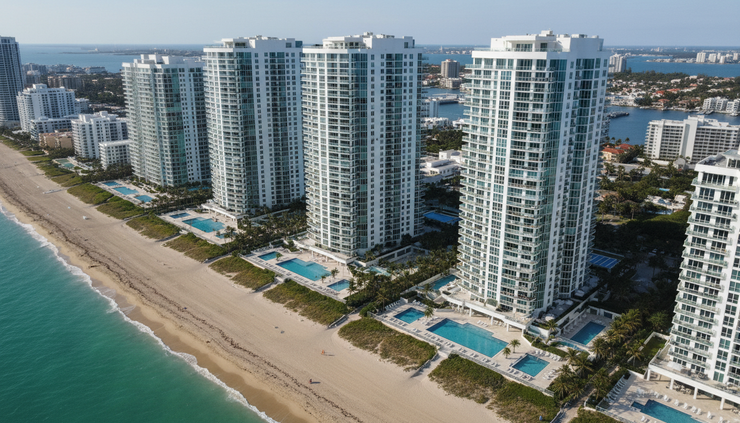
The better choice is the building that fits how you’ll live
A boutique condo may be the right call if you value fewer residences, simpler common areas, distinctive floor plans, and a more personal building feel.
A large luxury tower may be the better fit if you want full-service living, major amenities, valet, beach service, and a resort-style experience.
The smartest move is to compare the full picture: residence count, elevators, privacy, staffing, amenities, reserves, insurance, maintenance history, parking, pets, rentals, inspections, warranties, and resale competition.
The view gets your attention. The building details decide whether the purchase still feels right years later.


